
Sticky Note Samples: Record the Writing Medium
Record a sticky note writing sample by identifying both the sheet and the writing medium used. Ask the reviewer to describe the actual marks and the observation conditions, then keep any acceptance limited to that combination. Plain paper appearance does not establish compatibility with every pen, pencil, marker or other writing tool, and a catalogue photograph is not a writing trial.
Define the writing question for the selected sheet
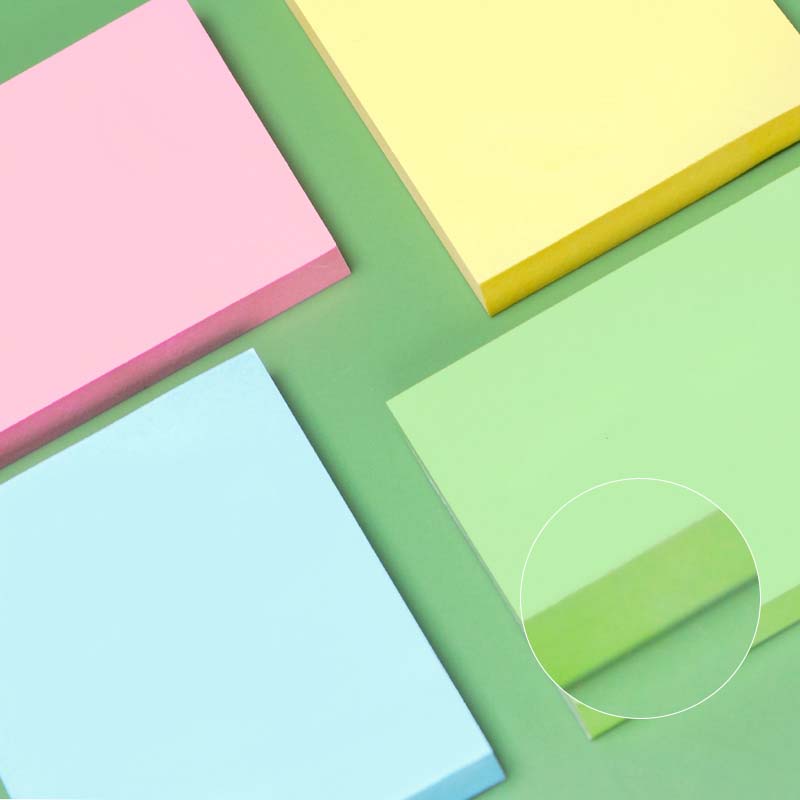
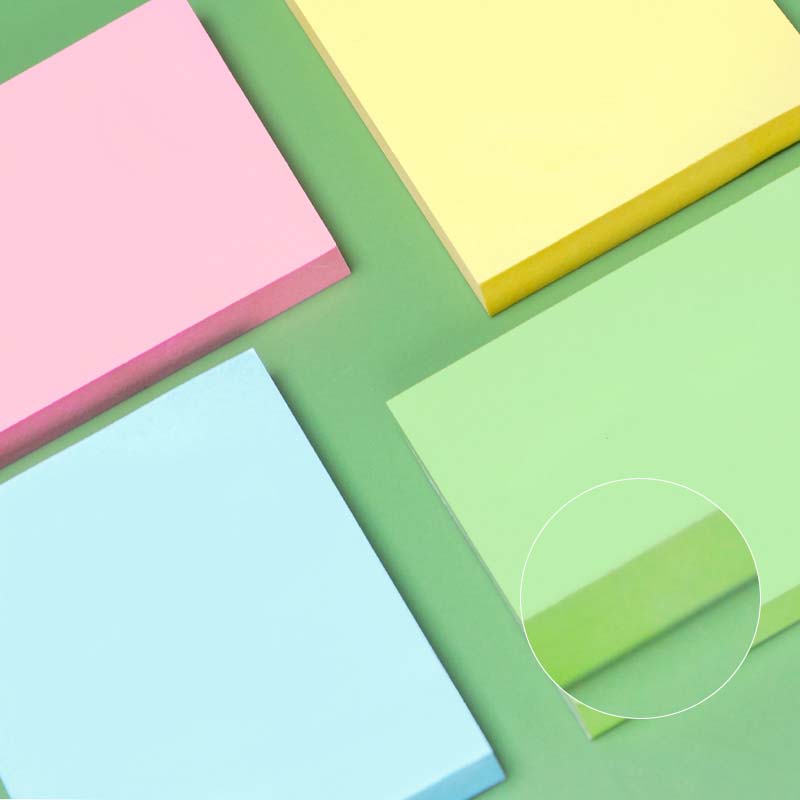
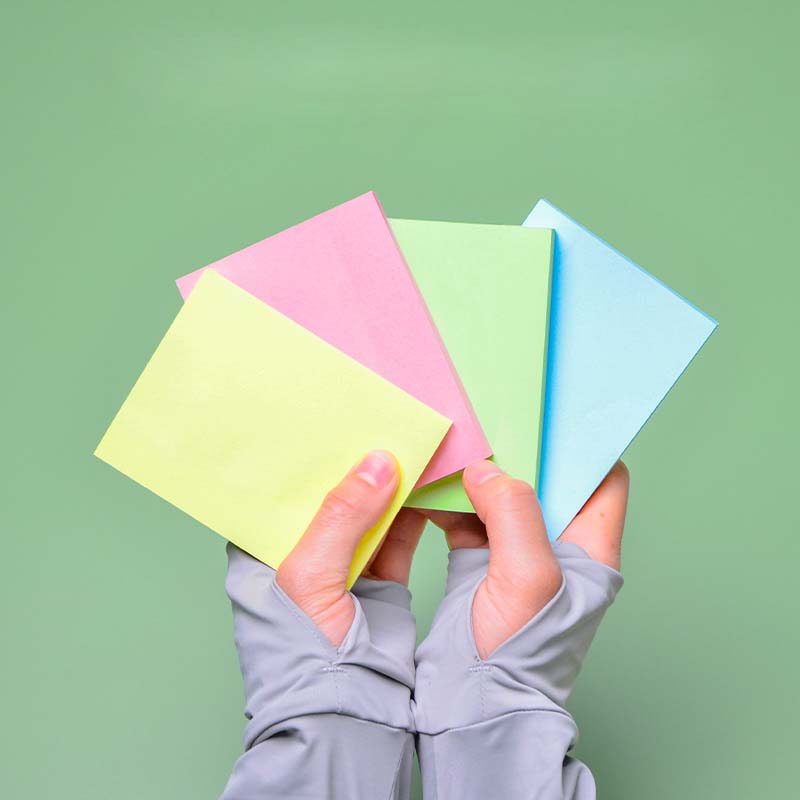
The plain sticky notes reference shows plain coloured pads and loose sheets. Use the page to identify the proposed stationery, then ask the supplier for the exact offered sample reference. Do not infer paper grade, coating or writing performance from a colour photograph. If the buyer needs a particular writing result, explain that decision separately from the number of sheets in a pad or pads in a selling pack.
A useful request names the job the sample is intended to support. It might ask a reviewer to assess whether an identified writing tool produces the expected visible mark on the proposed sheet. It should not ask a supplier to confirm works with all pens without defining the scope. The catalogue does not provide that universal evidence, and this article supplies no completed trial result.
Identify the writing medium without substituting a category
Ask the person making the sample to identify the actual writing tool and any relevant reference supplied with it. A broad label such as marker can cover many products. Retain the description actually available rather than adding a formulation or technical property that has not been confirmed. If the exact medium is unknown, keep the observation marked as limited and request clarification before using it to compare offers.
Keep a second medium on a separate sample line. Do not merge observations from different tools into one general verdict about the note pad. If the buyer changes the proposed medium, identify the new question and decide whether another observation is required. A record is useful because it preserves the combination that was examined, not because a long list of tool names makes it look like a comprehensive compatibility study.
- Identify the exact selected item and review scope.
- Keep actual observations separate from unconfirmed explanations.
- Retain open questions until the responsible party responds.
Describe the actual observation, not a presumed cause
A reviewer can describe the visible mark and attach a clearly identified sample image. The description should say what was actually observed without diagnosing the cause from a photograph. A mark that appears faint, irregular or unclear in an image may require a better view or examination of the physical sample. It is not sufficient evidence to assert a particular coating, ink defect or manufacturing problem.
Ask the technical reviewer to define any required observation method, timing or acceptance basis for the intended decision. Do not invent a drying period, rubbing sequence or moisture exposure from another product. A request for evidence is not a method recommendation. Keep unperformed steps visibly pending and distinguish an actual sample observation from a supplier’s general product description or a proposed demonstration.
Build a sheet-and-medium comparison record
Use the table to connect the selected sheet, actual tool and reviewer response. Each completed row should point to the corresponding specimen or image. If the colour or proposed sheet construction changes, state whether the response covers that change. Do not assume that a result from one catalogue colour applies to every variant. The person authorised to approve the purchasing decision should determine the relevant scope.
The record can also reveal when two responses are not comparable. One supplier may identify an actual tool and sample while another provides only a broad statement. Keep that difference visible rather than treating both as equivalent evidence. Request the missing information before ranking the answers. The table is a communication framework, not a claim that the supplier already operates a particular inspection system.
| Sample field | Information to request | Limit to preserve |
|---|---|---|
| Sheet identity | Offered item, colour and sample reference | Photo colour is not a grade declaration |
| Writing medium | Actual tool and available identifier | Category alone may be insufficient |
| Observation | Actual visible result and evidence reference | Do not infer an unverified cause |
| Review basis | Method and criteria from the responsible reviewer | No invented timing or test procedure |
| Disposition | Accepted combination or open question | No universal compatibility conclusion |
Keep the accepted wording within the observed scope
After review, record which combination and observation the buyer accepted. Avoid shortening that response to compatible with all ink or suitable for every writing task. Such wording exceeds an identified sample observation. The same limit applies when a purchasing note is later used in a quotation, product description or internal receiving instruction. Retain the actual sample reference so that another team can understand what was examined.
Writing behaviour is separate from adhesion to a surface, removability, sheet count and certification. If those questions matter, open separate requests with their own evidence rather than extending the writing-sample decision. The practical outcome is an understandable record of the tested combination and unresolved questions. It does not establish a universal pen recommendation, an ink-drying promise or the performance of future unexamined batches.
Frequently Asked Questions
Does plain paper appearance prove writing compatibility?
No. Request an identified sheet-and-tool sample and the evidence appropriate to the buyer’s actual question.
Can one tool represent all markers or pens?
Do not assume that scope. Record the tool actually used and keep broader claims open unless supported separately.
Should the RFQ prescribe a drying time?
Only when the responsible parties have agreed a relevant method. This checklist provides no default timing or operating instruction.
Does a writing sample also approve the adhesive?
No. Writing behaviour and adhesion are different purchasing questions with separate sample identities and evidence needs.
Send the selected stationery item and open questions through Qihuan contact. Use the stationery catalogue to identify a reference and the stationery article archive for separate purchasing decisions. Confirm the actual item, response and approval scope before releasing an order.