

Sticky Note Adhesion: Define the Surface Sample

Identify the actual receiving surface as well as the sticky note when requesting adhesion evidence. Record the selected note, the surface specimen and the question the reviewer must answer. Ask the responsible parties to agree any evaluation method and retain the actual observations. A catalogue statement or a loose-sheet photograph does not establish adhesion, removal or residue behaviour on every surface.
Turn a surface name into an identified specimen
Start with the sticky note catalogue reference to identify the proposed note. Then describe the actual receiving surface the buyer is considering. A broad term such as wall, glass or paper may leave important details unspecified. Ask the buyer or technical owner to identify the specimen and any relevant finish information that is genuinely known. Do not infer a coating or material treatment from a general surface name.
If the intended surface is unavailable, record that limitation and ask what evidence can reasonably be obtained. A supplier may offer a different specimen for discussion, but it should remain labelled as a substitute. Do not allow an observation on that substitute to be presented as confirmation for the buyer’s unexamined surface. The purpose is to preserve the actual note-to-surface pairing behind the response.
Define the question without supplying a universal procedure
An enquiry should explain the decision it needs to support. The buyer may need information about attachment during a particular use or about the condition observed after removal. Keep those questions separate where appropriate. Ask the responsible technical reviewer to define a relevant method and acceptance basis. This article does not prescribe surface preparation, pressure, contact time, environmental conditions or a removal technique.
The public product page includes general use and removal wording. Treat that as the published description, not as independent evidence for every proposed pairing. Ask which sample and conditions support any response the supplier provides. Do not repeat a clean-removal or no-damage statement as a verified order promise merely because it appears in a catalogue. The actual scope needs to be understood and reviewed.
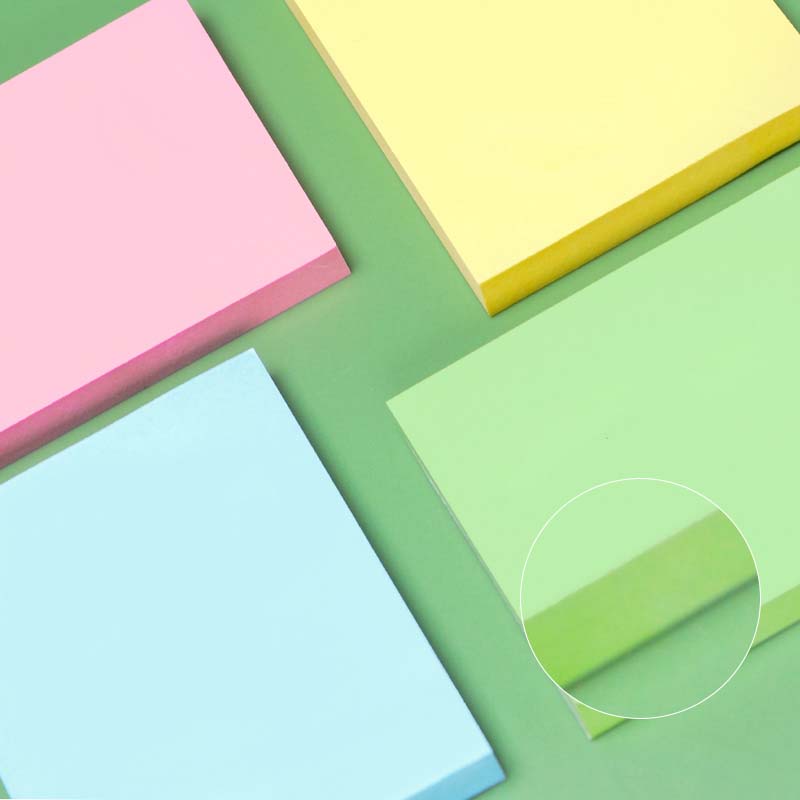
- Identify the exact selected item and review scope.
- Keep actual observations separate from unconfirmed explanations.
- Retain open questions until the responsible party responds.
Preserve observation and interpretation as different fields
Ask the observer to record what happened to the identified note and surface specimen. A photograph may support the record when it clearly identifies the relevant area, but it may not resolve every question. If the image does not show enough detail, leave the conclusion open. Do not diagnose adhesive chemistry, surface damage or a manufacturing cause solely from a general catalogue picture.
Keep the observer’s description, supporting evidence and reviewer interpretation distinguishable. For example, a request concerning removal may need evidence of both the note and the receiving surface after the agreed observation. This is an evidence question for the responsible parties, not an instruction to conduct an unapproved trial. A proposal that has not been performed must remain separate from a completed observation.
Use a pairing and disposition register
The table provides a simple record for the selected pairing. Include the source of the surface description and the exact note variant supplied for review. A different colour or construction should be treated as a changed reference unless the response explicitly covers it. Keep unanswered questions visible. Missing evidence is not evidence that the adhesive either succeeds or fails on the intended surface.
The buyer’s authorised reviewer can accept a limited statement, request clarification or keep the decision pending. Record that disposition beside its evidence rather than attaching a general passed label to a product family. Where several surfaces are proposed, give each pairing its own line. This makes exceptions readable without implying a completed multi-surface test programme or a supplier capability that has not been confirmed.
| Record field | Question to answer | Evidence boundary |
|---|---|---|
| Note variant | Which actual offered item is reviewed? | Catalogue identity plus sample reference |
| Receiving surface | Which specimen and known finish are involved? | Unknown fields stay open |
| Review question | Attachment, removal or another defined observation? | Avoid an all-surfaces claim |
| Method and observation | What did the responsible parties agree and observe? | Proposal is not a completed trial |
| Disposition | What limited statement or next action is approved? | No automatic transfer to a changed pairing |

Review changes before reusing an approval
A changed surface finish, proposed note or intended use may leave an earlier observation outside the new request’s scope. Keep the original record and ask the responsible reviewer whether more evidence is needed. Do not silently transfer the old decision because the new item looks similar. Retaining the actual pairing and response helps a purchasing team recognise the change instead of relying on a broad marketing phrase.
Keep this adhesion decision separate from the note’s writing behaviour, selling-pack quantity and any compliance requirement. A complete-looking purchasing file can still contain an unanswered surface question. The useful output is a clearly bounded response for the identified pairing, with its open items intact. It is not a universal statement about residue, reusability, holding time, surface safety or performance on future unexamined materials.
Frequently Asked Questions
Does a glass surface name define the full review scope?
No. Identify the actual specimen and relevant known finish information. Keep missing details visible rather than guessing them.
Can a catalogue clean-removal statement approve every surface?
No. Request the evidence and scope for the buyer’s actual note-to-surface pairing.
Does unavailable evidence mean the note failed?
No. It means the requested conclusion has not been established. Record the missing evidence and next responsible action.
Does this checklist recommend an application method?
No. The relevant technical parties must agree any evaluation or use method for the actual item and surface.
Send the selected stationery item and open questions through Qihuan contact. Use the stationery catalogue to identify a reference and the stationery article archive for separate purchasing decisions. Confirm the actual item, response and approval scope before releasing an order.