
Sticky Note RFQs: Separate Sheet and Pad Counts
For a sticky note RFQ, define the finished sheet, the pad and the sellable pack as separate counting levels. Ask the supplier to state sheets per pad and pads per pack for each selected colour. Approve those quantities against an identified sample rather than estimating them from a stack photograph.
A photograph of pastel note pads makes colour selection easy, but it does not tell a purchasing team what one quoted piece contains. A sheet, a pad and a multicolour assortment can all be called a unit. The solution is a short quantity specification that connects the finished stationery to the quotation and receiving record.
Start with the finished sheet
Use the Sticky Notes product page as the product reference. Its pictures show pastel pads and loose sheets held in a hand. Identify the selected outline and orientation, then request finished sheet width and height. A hand provides context, not a reliable measuring scale.
Keep pad height separate from sheet dimensions. A taller pad may contain a different number of sheets, a different backing or simply a different paper construction. Ask the supplier to explain which measurement belongs to the finished sheet and which describes the complete pad.
- Finished sheet outline and dimensions.
- Sheets per identified pad.
- Pads and colour split per selling pack.
- Quotation quantity expressed in that named pack.
Name all three counting levels
Write an RFQ line that names the sheet count per pad, the pad count per selling pack and the number of those packs requested. If colours are mixed, list the intended colour split. Do not describe an assortment only as several pads, because that leaves its commercial contents open.
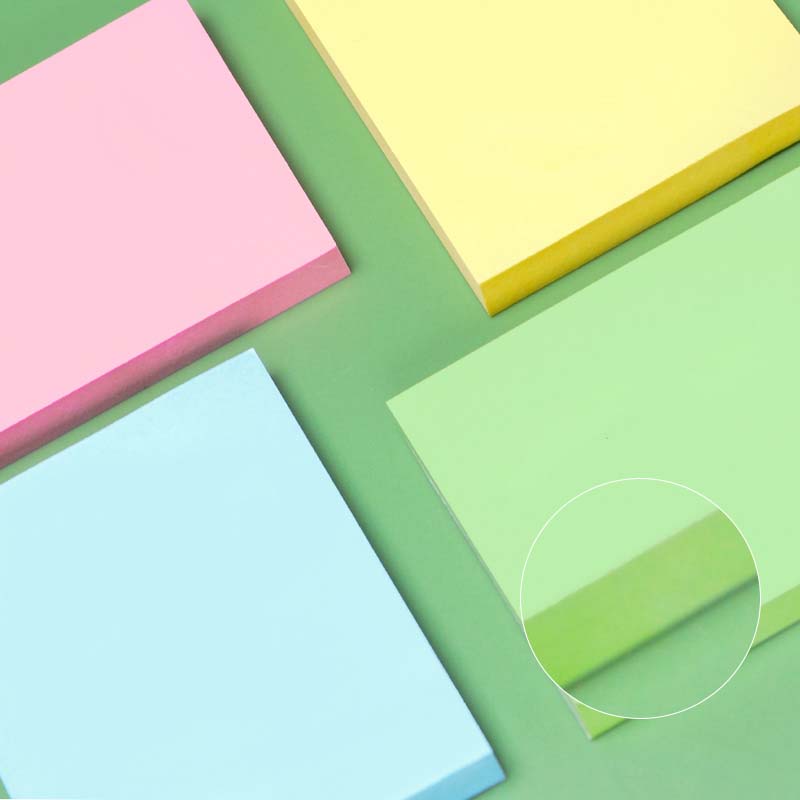
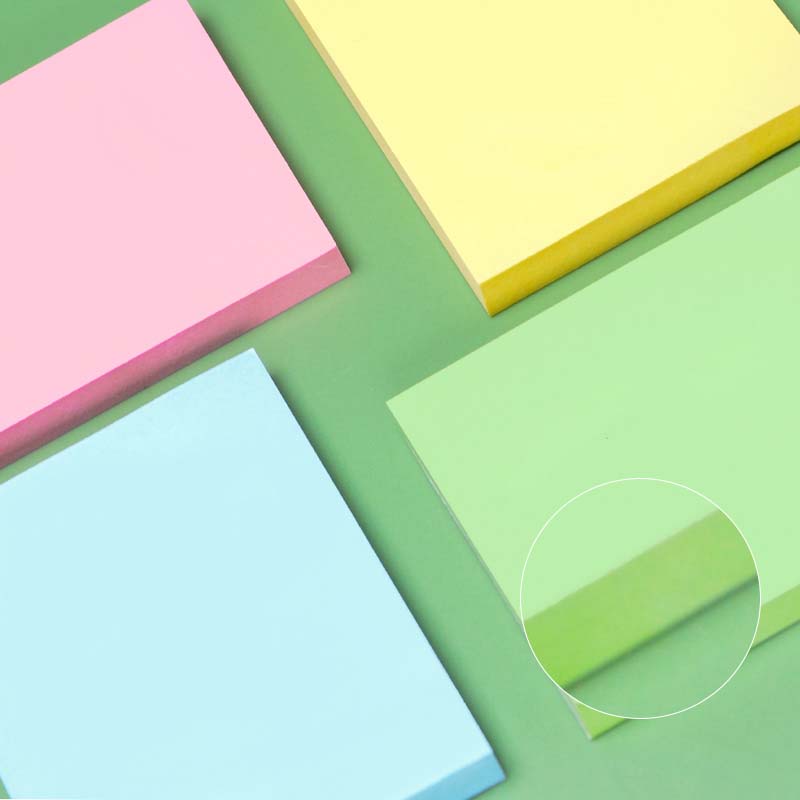
The close view of several coloured blocks and the separate loose-sheet view answer different visual questions. Neither establishes the number of sheets inside a pad. Request an agreed count method on the actual sample and record the result against its sample identifier.

| Level | Supplier response required | Do not infer from |
|---|---|---|
| Sheet | Finished width, height and outline | A hand-held photograph |
| Pad | Sheet count and any backing | The apparent stack height |
| Selling pack | Pad count and colour split | Colours shown together |
Keep colour selection tied to the quantity line
A buyer might select one yellow pad or a combination of yellow, pink and blue. Those are different assortment instructions even if the sheet shape looks similar. Assign a colour reference to each line and ask whether each colour receives the same sheet count and pad format.
A catalogue image containing several colours is not confirmation that all shown colours are supplied together. Mark the selected colours explicitly. If a supplier proposes a substitute colour or a different assortment, show that proposal beside the original request instead of silently merging the two.
Use a sample reconciliation sheet
When a physical sample arrives, photograph its label and the assembled pad before opening any packaging. Check the recorded count level and selected colour. If a count inspection involves separating sheets, identify that inspected sample rather than using its altered height as the untouched production reference.
Ask the supplier to acknowledge any mismatch between the RFQ and the sample. A discrepancy might concern sheet count, pad quantity or a colour assortment; each calls for a different correction. Resolve that field before accepting a quotation as comparable.

Separate quantity approval from product behaviour
A correct sheet count does not establish adhesive behaviour, writing suitability or residue performance. Those questions need an independently agreed sample brief. In the quantity record, leave material and adhesive descriptions linked to the selected supplier model, without treating a pastel photograph as technical evidence.
Use the accepted quantity schedule when preparing receiving instructions. The receiving team should know whether to count sealed packs, individual pads or inspected sheets. This carries the purchasing decision into the actual order without claiming a particular factory inspection system already exists.
Frequently Asked Questions
Does a pad photograph prove sheet count?
No. Request a written count and an identified physical sample. Apparent stack thickness is not a dependable substitute.
Should every colour have a separate line?
Use separate lines or a clear assortment schedule whenever colour quantities differ. The supplier should acknowledge the intended split.
Is the catalogue size automatically the pack size?
No. Ask whether a listed dimension refers to the sheet, assembled pad or packaging, then record the relevant measurement.
Can quantity approval also approve the adhesive?
No. Quantity and adhesive behaviour are separate purchasing decisions. Keep any agreed behaviour review in a separate sample record.
Review the stationery catalogue, then send the selected pad reference and quantity schedule through Contact. The blog provides related stationery sourcing topics.