

Silicone Notebook Variants: Match Colour and Pattern
For a wholesale silicone notebook order, link each requested colour and cover pattern to one confirmed offered variant. Keep the catalogue colour name, selected photograph, supplier code and approved sample together. A colour list and a mixed gallery do not establish that every pictured pattern is available in every colour or that a photographed shade matches a named option.

Start with the mismatch the buyer needs to resolve
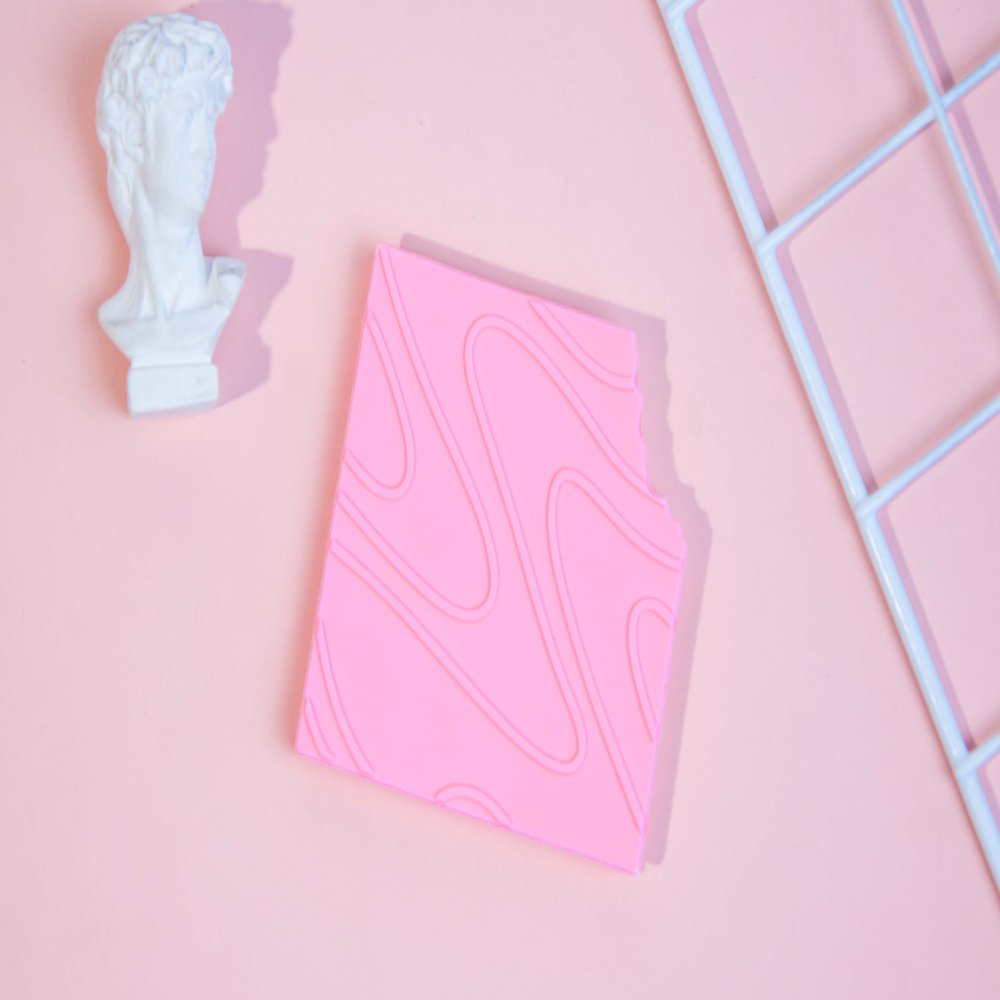
The silicone notebook product page lists brown, yellow and white in its short colour description. The saved gallery also includes covers that appear cream, pink and pale white, with different raised patterns. These observations give the buyer useful references, but they do not provide a confirmed mapping between the written colour options and individual pictures.
Ask the supplier to identify the version being quoted before assigning a purchase-order line. A buyer who writes only yellow notebook may mean the grid-pattern cover, while the response may refer to a different surface design. Resolve both attributes together. Do not substitute a photograph for the written response or treat an apparent gallery colour as an additional available colour without confirmation.
Build one appearance record per offered variant
Give each selected image a reference that the supplier can recognise, such as the product URL and saved image filename. Add the pattern description in ordinary visual terms: a grid of raised rectangles, curved lines, or offset squares. These descriptions identify the buyer’s selection; they are not factory model names. Ask for the supplier’s own identifier and retain it beside the buyer’s reference.
If the supplier confirms that two images show the same offered item, keep that explanation with the record. If they show different items, retain separate lines. A colour name alone should not merge versions with different pattern layouts. Where a reference remains ambiguous, leave the line unapproved and request a clearly labelled view of the actual proposed sample.
Compare the fields that identify the selection
| Selection field | Supplier response to request | Purchasing use |
|---|---|---|
| Catalogue colour | Exact name used for the offered version | Avoid substituting a photographed shade |
| Cover pattern | Image and description matched to that version | Separate appearance combinations |
| Variant identifier | Supplier code or agreed written reference | Connect quotation and order line |
| Physical sample | Sample reference and confirmed appearance | Keep the approval traceable |
| Changed selection | Which attribute changes and which remain fixed | Request a new confirmed mapping |
Use the comparison to identify missing answers before comparing quotations. A response naming a colour and supplier code is more specific than a response saying assorted colours, but it still needs to match the selected appearance. Record an unresolved pattern as unresolved. Do not convert a partially completed table into an approval for every image shown on the product page.
Review the sample without inventing a colour tolerance
Ask the person approving the sample to record the actual version received and the appearance they accepted. A screen image is a useful communication reference, but display settings and photography can affect how a shade looks. If colour matching matters to the order, the buyer and supplier should agree the reference and acceptance basis rather than relying on a casual screen comparison.
This checklist supplies no numerical colour tolerance or inspection method. Keep a proposed reference separate from one the parties have actually accepted. Photograph the identified sample when useful, retain the relevant correspondence, and make the disposition readable: accepted selection, clarification requested, or pending. Acceptance of an appearance does not confirm unrelated material, care or durability claims.
- Keep colour and pattern on the same variant line.
- Use the supplier’s confirmed identifier in the quotation.
- Preserve the sample reference behind the buyer’s decision.
- Leave unconfirmed combinations outside the approved assortment.

Carry the approved mapping into the order
Copy the accepted variant reference into the order without shortening it to a colour alone. If the supplier proposes a replacement pattern or a different shade, record the change against the original selection. Ask whether the quotation and sample approval still refer to the same offered item. Do not silently reuse an earlier approval because two covers look broadly similar.
Where an assortment is requested, identify the actual combinations included before discussing the quantities allocated to them. The appearance register establishes which versions the buyer means; it does not establish stock availability, a minimum order quantity, delivery timing or permission to customise a pattern. Obtain those commercial details separately for the exact confirmed selection.
Frequently Asked Questions
Does the colour list cover every gallery pattern?
The page does not establish that mapping. Ask which colour and pattern combinations belong to the actual offer.
Can the pink-looking image be ordered as pink?
Use it as an appearance reference and request confirmation of the offered colour name and variant. A gallery image alone is not an availability commitment.
What if the supplier has no variant code?
Agree a written selection reference linked to the exact image and sample. Keep that reference consistent across the quotation and order.
Does approving the cover appearance approve care claims?
No. Colour and pattern approval identifies an appearance selection. Statements about cleaning, materials or performance need their own evidence and scope.
Send the selected catalogue reference and unresolved fields through Qihuan contact. Browse the stationery catalogue and purchasing article archive for other product and procurement questions.